
Abbott works with AtaCor Medical on extravascular ICD system
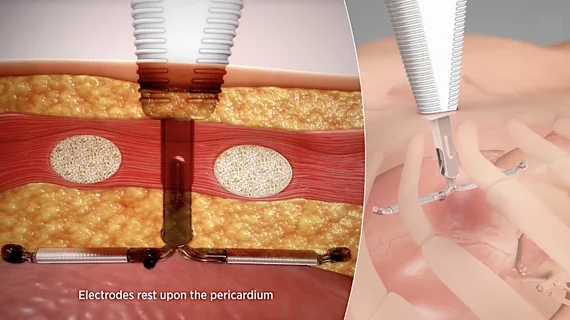
Abbott is partnering with California-based AtaCor Medical to develop a next-generation extravascular implantable cardioverter defibrillator (EV-ICD) system. The plan is to pair AtaCor's investigational extravascular ICD lead with Abbott's own investigational extravascular ICD system.
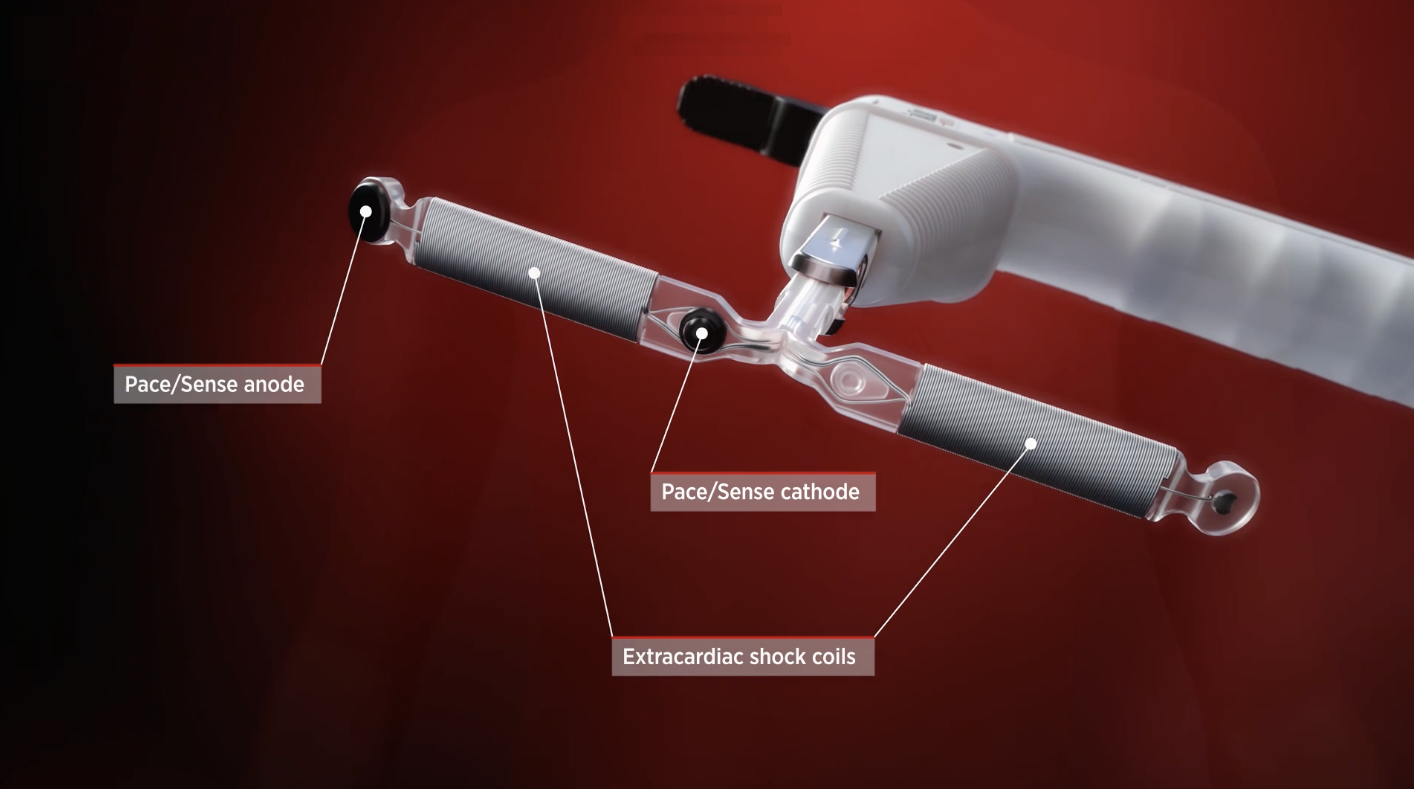
AtaCor plans to initiate its ALARION EV pivotal investigational device exemption (IDE) clinical trial in the months ahead to test the safety and efficacy of its Atala parasternal EV-ICD lead. The lead can be used with commercially available ICDs with a DF4 connector in either a lateral or pectoral placement. The company said its delivery uses a proprietary parasternal approach to leverage anatomical landmarks such as the cardiac notch.
If the trial is successful and the system is commercialized, Abbott would be the third electrophysiology (EP) vendor to offer a subcutaneous ICD system that does not place leads in the venous system or the heart. Boston Scientific and Medtronic both already offer FDA-cleared extravascular ICD systems.
Extravascular ICDs were developed to avoid complications such as vascular injuries, lead fractures and lead infections. Although rare, these issues can cause serious, life-threatening complications for patients. Abbott said this new system will offer design features to further improve extravascular ICD technology, such as reducing pacing discomfort of other extravascular ICD systems and simplified delivery.
"The Abbott-AtaCor Investigational system represents an exciting step forward in cardiac care," Paul Friedman, MD, chair of cardiovascular medicine with Mayo Clinic in Rochester, said in a statement. "Its ease of implantation and potential to enable ICD therapy outside the heart while maintaining contact with cardiac tissue stands to offer an important novel therapeutic option for patients in need of life-saving protection."
The company's Assessment of a Chronically Implanted Parasternally Delivered EV-ICD Lead (ASCEND EV) study for safety and efficacy in the first 19 patients finished enrollment in October. Patients in Croatia, New Zealand and Paraguay will be followed out until 2028.
Martin Burke, DO, is AtaCor's chief medical officer. He was instrumental in the development and clinical trials for the first subcutaneous ICD (S-ICD) that Boston Scientific acquired and now offers. He previously served as the director of the Heart Rhythm Center at University of Chicago Medical Center.

Dave Fornell has covered healthcare for more than 17 years, with a focus in cardiology and radiology. Fornell is a 5-time winner of a Jesse H. Neal Award, the most prestigious editorial honors in the field of specialized journalism. The wins included best technical content, best use of social media and best COVID-19 coverage. Fornell was also a three-time Neal finalist for best range of work by a single author. He produces more than 100 editorial videos each year, most of them interviews with key opinion leaders in medicine. He also writes technical articles, covers key trends, conducts video hospital site visits, and is very involved with social media. E-mail: [email protected]