
Shortage of cardiac amyloidosis radiotracers should ease in late March
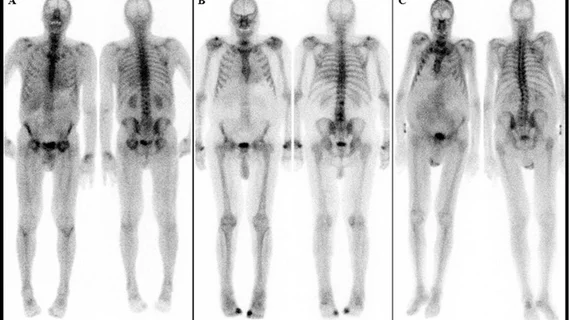
The American Society of Nuclear Cardiology (ASNC) shared an update this week on the shortage of radiotracers for diagnosing transthyretin (ATTR) cardiac amyloidosis. One vendor has reported it should have new tracers available by the end of March.
Supply issues started in January with a shortage of raw materials. ASNC received reports of shortages from several U.S. sites for both technetium-99m pyrophosphate (Tc-99m PYP) and Tc-99m hydroxymethylene diphosphonate (HMDP or HDP). ASNC has maintained close contact with radiotracer vendors for updates.
Curium, a manufacturer of PYP and HMDP, reports that its next HMDP release will be in late March, with a company spokesperson confirming to ASNC that a PYP lot was released in mid-February.
The company recently received U.S. Food and Drug Administration approval for a new active ingredient supplier, and this was its first delivery. But the company said there could be a limited supply of Technescan PYP over the coming months until Curium can rebuild its stock.
The second manufacturer, Sun Pharmaceutical Industries, reported in January it did not have any PYP available and did not have a timeline for when the product would be available again.
Both radiotracers are currently listed on the FDA drug shortage list. According to the agency's website, both vendors said there is a shortage of an active ingredient. Sun expects its shortage will persist until at least the second quarter of 2026.
ASNC encourages members to contact their local radiopharmacies for the latest information on supplies of HMDP and PYP in their areas.

Dave Fornell has covered healthcare for more than 17 years, with a focus in cardiology and radiology. Fornell is a 5-time winner of a Jesse H. Neal Award, the most prestigious editorial honors in the field of specialized journalism. The wins included best technical content, best use of social media and best COVID-19 coverage. Fornell was also a three-time Neal finalist for best range of work by a single author. He produces more than 100 editorial videos each year, most of them interviews with key opinion leaders in medicine. He also writes technical articles, covers key trends, conducts video hospital site visits, and is very involved with social media. E-mail: [email protected]