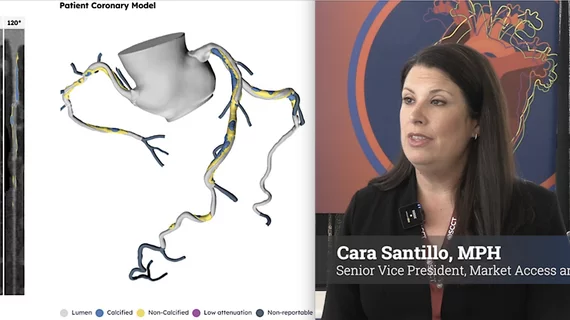
New codes for these technologies have made a world of difference for clinicians. Reimbursement for the use of AI is an area where cardiology is far ahead of most other healthcare specialties.
The law reflects growing interest in using existing imaging studies to identify cardiovascular disease risk without requiring additional scans, radiation exposure or costs.
"We really should have a system that is patient-centric, physician-led, and professionally managed, but in a cost-effective way," Rick Snyder, MD, said.
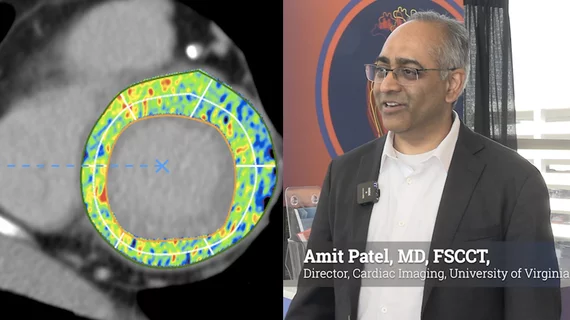
MRI scans have traditionally been used for extracellular volume assessments. That is starting to change, however, as cardiac CT moves beyond its typical focus on the coronary arteries.
As cardiac CT continues to get used more and more, GE HealthCare has launched a new scanner designed to meet the needs of both outpatient imaging centers and larger hospitals.
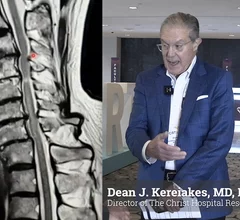
Dean J. Kereiakes, MD, was left paralyzed after battling severe orthopedic issues for his entire career. Back in the cath lab after a long recovery, he is now stressing the importance of workplace safety among interventional cardiologists.
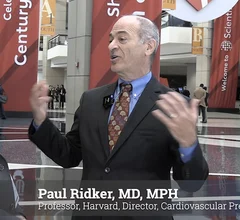
From new drug therapies and imaging technologies to updated prevention strategies, nearly every aspect of cardiovascular care is starting to embrace the value of coronary inflammation evaluations. Paul Ridker, MD, MPH, discussed the trend in a new interview.
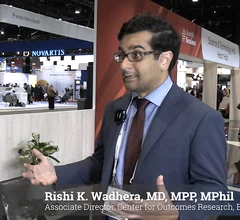
Rishi Wadhera, MD, MPP, MPhil, a cardiologist who also specializes in healthcare policy, spoke to Cardiovascular Business about the good, the bad and the unknown when it comes to private equity's role in cardiology.
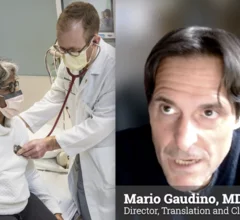
Mario Gaudino, MD, PhD, spoke to Cardiovascular Business about minimally invasive procedures, the growing interest in clinical trials and other key trends in the world of cardiac surgery.
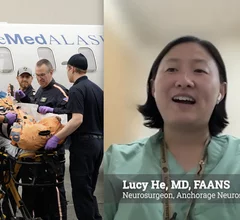
Lucy He, MD, a neurosurgeon with the Alaska Stroke Coalition, explains how the state created an AI-based alert system to streamline the timely imaging diagnosis and transfer of stroke patients across the largest and most rural U.S. state.