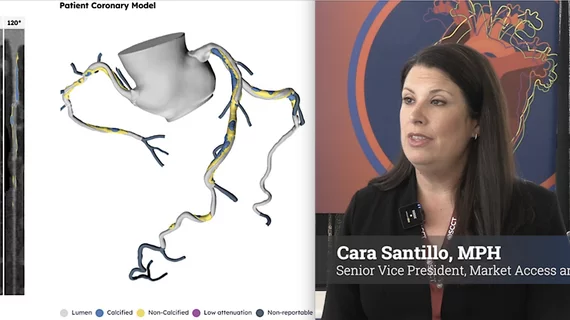
New codes for these technologies have made a world of difference for clinicians. Reimbursement for the use of AI is an area where cardiology is far ahead of most other healthcare specialties.
The law reflects growing interest in using existing imaging studies to identify cardiovascular disease risk without requiring additional scans, radiation exposure or costs.
"We really should have a system that is patient-centric, physician-led, and professionally managed, but in a cost-effective way," Rick Snyder, MD, said.
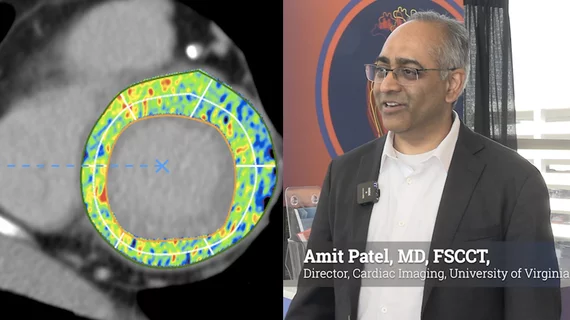
MRI scans have traditionally been used for extracellular volume assessments. That is starting to change, however, as cardiac CT moves beyond its typical focus on the coronary arteries.
"The lead protection we wear is causing a lot of damage," SCAI President Srihari S. Naidu, MD, a veteran interventional cardiologist, explained in an interview.
Tom Price, MD, former secretary of Health and Human Services (HHS), said one way to address the growing shortage of physicians is to expand medical resident positions, but these are tied to Medicare spending so alternative means may be needed.
Gerald G. Blackwell, MD, MBA, MedAxiom's president and CEO, examined how different cardiology employment models look today compared to even a decade ago.
Tom Price, MD, an orthopedic surgeon, and former secretary of Health and Human Services (HHS) is an advocate for changing immigration policy to help solve the growing shortage of doctors and nurses in the U.S.
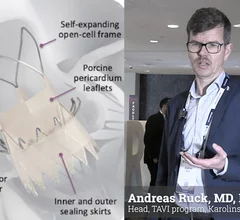
Andreas Ruck, MD, discussed new registry data on Boston Scientific’s Acurate neo2 TAVR valve, comparing it to popular devices from Edwards Lifesciences and Medtronic.