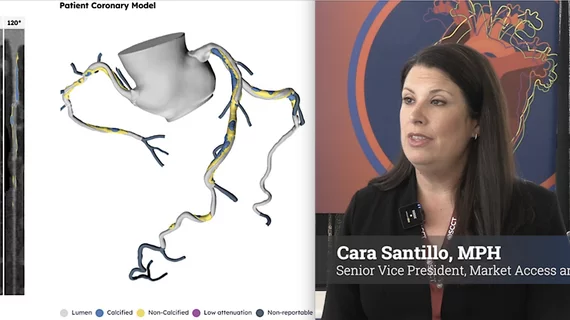
New codes for these technologies have made a world of difference for clinicians. Reimbursement for the use of AI is an area where cardiology is far ahead of most other healthcare specialties.
The law reflects growing interest in using existing imaging studies to identify cardiovascular disease risk without requiring additional scans, radiation exposure or costs.
"We really should have a system that is patient-centric, physician-led, and professionally managed, but in a cost-effective way," Rick Snyder, MD, said.
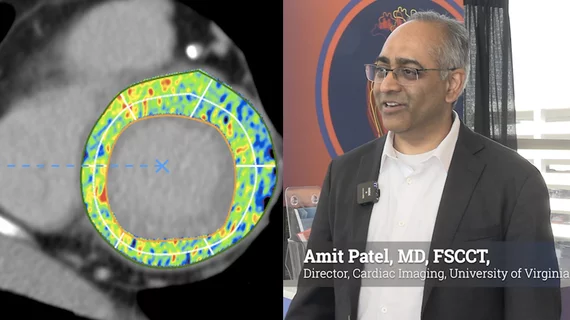
MRI scans have traditionally been used for extracellular volume assessments. That is starting to change, however, as cardiac CT moves beyond its typical focus on the coronary arteries.
The initiative is designed to help identify more patients who may require aortic valve replacement. Brian Lindman, MD, provided an update on the project's efforts.
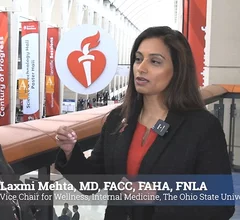
Laxmi Mehta, MD, explained that the use of statins when treating pregnant women is no longer forbidden. However, she added, cardiologists should always discuss it first with their patients.
Steven Bolling, MD, noted that tricuspid treatments have been linked to consistent benefits in terms of quality of life. However, he said, finding clear improvements in clinical outcomes has been more challenging.
Laxmi Mehta, MD, detailed several ways she and her colleagues at The Ohio State University are working to combat the rising levels of burnout among cardiologists.
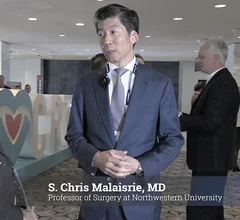
S. Chris Malaisrie, MD, professor of surgery at Northwestern University, explained what these data can tell us about the lifetime management of patients who require aortic valve replacement.
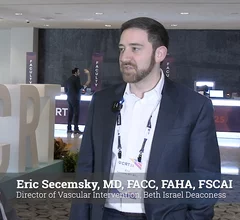
Bioresorbable stents are back in the spotlight thanks to some significant progress from multiple medtech companies. Eric Secemsky, MD, discussed some of the biggest breakthroughs in this space at CRT 2025.
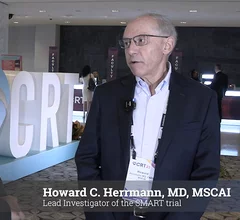
Howard Herrmann, MD, MSCAI, Hospital of the University of Pennsylvania, and lead invesigator for the SMART trial, explains details on the 2-year data comparing the Evolut vs. Sapien 3 for TAVR in small annulus patients.