Kirk Milhoan, MD, PhD, has been fired from his role as a pediatric cardiologist. His wife and others say he was let go because he is now the chair of the CDC’s Advisory Committee on Immunization Practices.
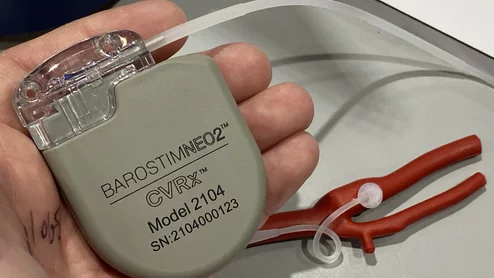
The Barostim device from CVRx continues to gain momentum as a go-to heart failure treatment. A free webinar is scheduled to examine the device's new CPT codes, which go into effect in 2026.
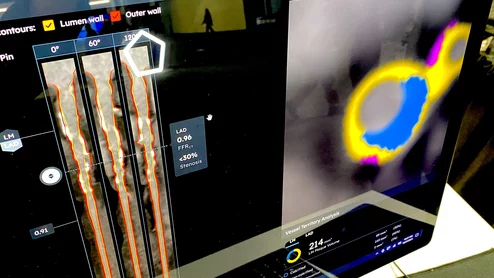
For years, imaging experts have predicted that CCTA may become the primary imaging modality for coronary artery disease and eliminate the need for invasive diagnostic catheterizations. That prediction is now coming true.
The proposal, first announced by the Biden administration, was developed to improve patient data security. Those opposed argue that it would significantly increase costs and create a logistical nightmare for hospitals and health systems throughout the country.
Cardiologists often use the word “stable” when describing a heart failure patient who is recovering or showing signs of improvement. That word, however, could be giving patients a false sense of security—and it could even do harm to their long-term health.
Follow-up care after a successful heart transplant can be challenging—both for providers and their patients. Consider, for example, the fact that so many patients who develop complications never actually present with symptoms.