
Abbott gathering real-world data on FDA-approved TriClip system
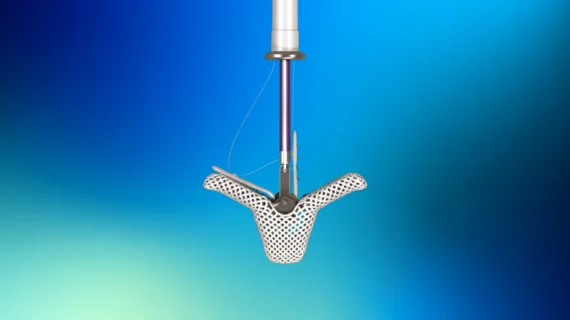
Abbott has launched a new clinical trial focused on gathering real-world data on the safety and effectiveness of its TriClip transcatheter edge-to-edge repair (TEER) system for the treatment of tricuspid regurgitation (TR).
The post-market study, TREAT TR, will include data from approximately 1,000 patients treated at up to 100 different facilities across the United States, Canada and Europe. Data will be collected at discharge and then again after 30 days, six months, one year, two years, three years, four years and five years.
“Prior to TriClip’s availability, many patients with tricuspid regurgitation had few treatment options because medical therapy didn’t relieve their symptoms or they were at an increased risk for conventional open-heart surgery,” interventional cardiologist Anita Asgar, MD, co-principal investigator of TREAT TR and medical director of the Bluhm Cardiovascular Institute at Northwestern Medicine in Chicago, said in a statement. “Through multiple clinical studies and in working directly with patients, we’ve seen that TriClip can have a profound impact on the lives of people with TR, and we’re excited to see additional evidence to support this minimally invasive device.”
Additional details about the TriClip system
The TriClip device is delivered through a vein in the patient’s leg, repairing the tricuspid valve by clipping together the valve leaflets using the same technology found in Abbott’s popular MitraClip technology. The U.S. Food and Drug Administration (FDA) first approved TriClip for the treatment of TR back in 2024, making it the second tricuspid device to secure FDA approval. The following year, the U.S. Centers for Medicare and Medicaid Services approved coverage for T-TEER, greatly improving patient access to TriClip.
With all this progress being made in the field of tricuspid valve care, the American College of Cardiology issued new expert recommendations in September 2025.
Click here for a video interview from February on key trends in transcatheter tricuspid valve repair and replacement.

Michael has more than 19 years of experience as a professional writer and editor. He has written at length about cardiology, radiology, artificial intelligence and other key healthcare topics.