CVB homepage

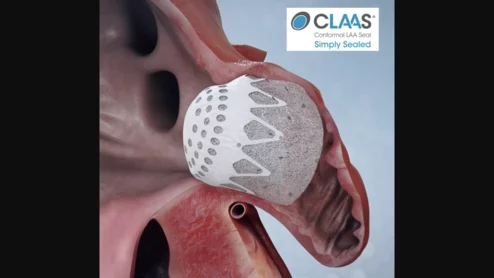
Conformal Medical CLAAS

Gore has officially acquired Conformal Medical, the company known for an investigational LAAO device that uses a proprietary foam implant. The transaction was first announced in January.

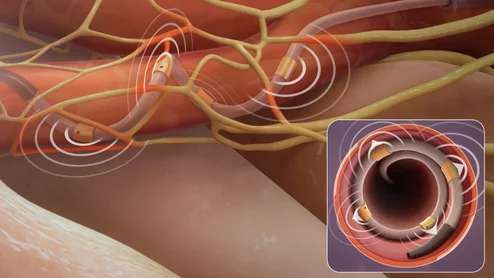
The Medtronic Symplicity Spyral Renal Denervation system uses a catheter that curls in the renal artery to place radiofrequency electrodes against the vessel wall to ablate the nerves that control vasodilation, so the artery can be propped in the fully open position.

More than 40 million adults now have improved access to Medtronic's Symplicity Spyral renal denervation technology.

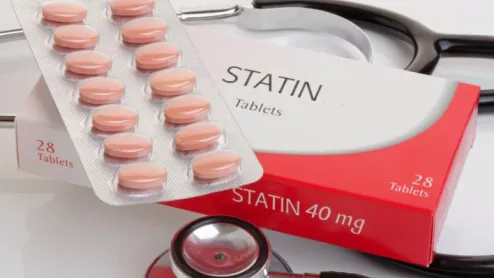
Continuous and high-adherent statin users had lower baseline arterial stiffness which also grew more slowly over time, a new JAMA Network Open study finds.

Researchers explored data from more than 123,000 patients, noting that dozens of the adverse complications included on current labels can safely be removed. 

Esperion Therapeutics Inc. has filed patent infringement lawsuits against eight generic drug makers for filing U.S. Food and Drug Administration (FDA) abbreviated new drug applications (ANDA) to make generic versions of its successful bempedoic acid (Nexletol).

As soon as Esperion Therapeutics gained FDA clearance for Nexletol in 2020, competitors started trying to copy it. The company is fighting back. 

After years of implanting left atrial appendage occlusion (LAAO) devices in atrial fibrillation (AFib) patients, an interventional cardiologist with the University of Chicago Medical Center (UChicago Medicine) has developed a new device that could be a more affordable alternative to Boston Scientific’s Watchman and Abbott’s Amplatzer Amulet LAA Occluder.

After years of implanting and studying LAAO devices, an interventional cardiologist with the University of Chicago has designed a new alternative that could reduce the risk of bleeding and save health systems money.

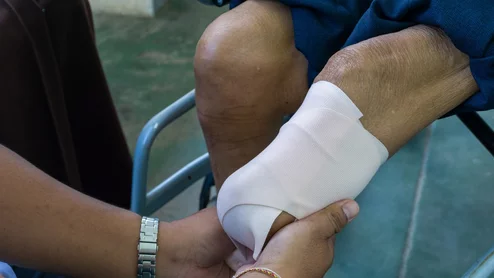
leg amputation below the knee

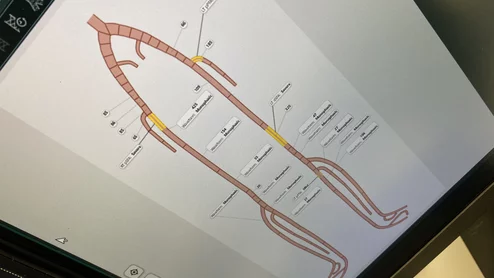
Patients undergoing the procedures due to infection, chronic limb-threatening ischemia and other serious complications may not be receiving the follow-up care their need.

Innovation at work

Follow-up care after a successful heart transplant can be challenging—both for providers and their patients. Consider, for example, the fact that so many patients who develop complications never actually present with symptoms.  

In cooperation with CareDx